

How to Build Credit Through Insured Loans sets the stage for this enthralling narrative, offering readers a glimpse into a story that is rich in detail and brimming with originality. From understanding the basics of insured loans to choosing the right one and building credit responsibly, this guide covers it all.
Understanding Insured Loans
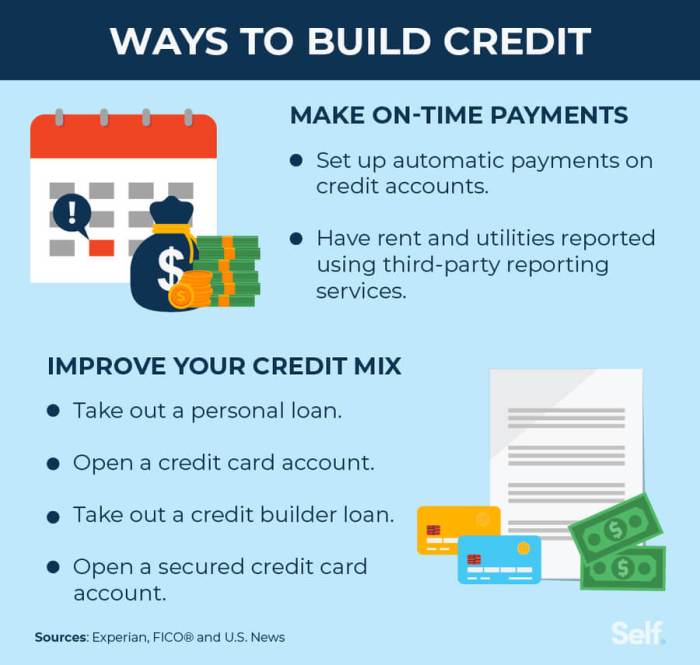
Insured loans are loans where the lender is protected against default by an insurance policy. This means that if the borrower fails to repay the loan, the insurance will cover the lender's losses.
There are several types of insured loans available, including:
Federal Housing Administration (FHA) Loans
FHA loans are insured by the Federal Housing Administration and are popular among first-time homebuyers due to their lower down payment requirements.
Veterans Affairs (VA) Loans
VA loans are guaranteed by the Department of Veterans Affairs and are available to eligible veterans, active-duty service members, and their families. These loans often have competitive interest rates and no down payment requirement.
USDA Loans
USDA loans are backed by the U.S. Department of Agriculture and are designed to help low to moderate-income individuals purchase homes in rural areas. These loans offer low-interest rates and require no down payment.
Using insured loans to build credit can have several benefits:
- Opportunity for those with limited credit history to establish credit.
- Potential for lower interest rates compared to unsecured loans.
- Demonstrates responsible borrowing behavior to credit bureaus.
- May help improve credit score over time with on-time payments.
Factors Impacting Credit Building
Timely payments on insured loans can significantly impact credit scores positively. By making consistent and on-time payments, borrowers demonstrate financial responsibility and reliability to creditors, which can boost their creditworthiness over time.Maintaining a low credit utilization ratio is crucial for building credit.
Credit utilization ratio refers to the amount of credit you are using compared to the total amount of credit available to you. Keeping this ratio low, ideally below 30%, shows that you are not overly reliant on credit and can manage your finances responsibly.The length of credit history also plays a vital role in determining credit scores.
A longer credit history provides a more comprehensive picture of your financial behavior and demonstrates your ability to manage credit over an extended period. This can positively impact your credit scores by showing creditors that you have a proven track record of responsible credit usage.
Choosing the Right Insured Loan
When it comes to choosing the right insured loan for credit building, there are several factors to consider. It's essential to compare different lenders offering insured loans and understand the role of interest rates in making an informed decision.
Tips on Selecting the Best Insured Loan for Credit Building
- Consider the loan amount: Choose a loan amount that fits within your budget and allows you to make timely repayments.
- Compare interest rates: Look for lenders offering competitive interest rates to minimize the overall cost of borrowing.
- Check for additional fees: Be aware of any additional fees or charges that may impact the total cost of the loan.
- Review repayment terms: Ensure that the repayment terms are flexible and align with your financial goals.
Comparing Different Lenders Offering Insured Loans
- Bank A: Offers insured loans with lower interest rates but may have stricter eligibility criteria.
- Credit Union B: Provides insured loans with personalized customer service but higher interest rates.
- Online Lender C: Offers quick approval and easy application process for insured loans but may have higher fees.
The Role of Interest Rates in Choosing an Insured Loan
Interest rates play a crucial role in choosing an insured loan as they determine the cost of borrowing. Lower interest rates can save you money in the long run, while higher interest rates may lead to increased repayment amounts. It's important to compare interest rates from different lenders and consider how they will impact your overall financial situation before selecting an insured loan.
Building Credit Responsibly
Building credit responsibly is crucial for maintaining a healthy credit score and financial well-being. By following key strategies and understanding the impact of credit inquiries, individuals can effectively manage their credit.
Importance of Making Payments on Time
Timely payments are essential for building credit as they demonstrate reliability and financial responsibility to creditors. Missing payments can significantly damage credit scores and hinder future borrowing opportunities.
Strategies for Managing Credit Responsibly
- Avoid maxing out credit limits and aim to keep credit utilization low.
- Regularly monitor your credit report for any errors or unauthorized activity.
- Set up payment reminders or automatic payments to ensure bills are paid on time.
- Limit the number of credit applications to reduce the impact of hard inquiries on your credit score.
Impact of Credit Inquiries on Credit Scores
Credit inquiries occur when a lender or creditor checks your credit report as part of the loan application process. While soft inquiries do not affect credit scores, hard inquiries made when applying for credit can impact scores temporarily. It is important to minimize the number of hard inquiries as they can signal to lenders that you may be taking on too much debt.
Ending Remarks
In conclusion, How to Build Credit Through Insured Loans provides valuable insights into the world of credit building. By following the tips and strategies Artikeld here, individuals can take proactive steps towards improving their credit score and financial health.
FAQ Explained
How do insured loans impact credit building?
Insured loans can positively impact credit by demonstrating responsible payment behavior and diversifying credit types.
What role do interest rates play in choosing an insured loan?
Interest rates are important as they determine the cost of borrowing and can affect the overall affordability of the loan.
How does the length of credit history affect credit scores?
The length of credit history is crucial as it provides a picture of a borrower's credit management over time, influencing credit scores.
What are some strategies for managing credit responsibly?
Strategies include making payments on time, keeping credit utilization low, and monitoring credit reports regularly.

