

Delving into the realm of legal protection and business insurance, this guide aims to shed light on the intricacies of merging these two crucial aspects of business management. As we navigate through the nuances of legal safeguards and insurance coverage, we uncover the symbiotic relationship between the two, offering insights that can prove invaluable for businesses of all sizes.
In the following paragraphs, we will explore the definitions, benefits, and integration of legal protection with business insurance, providing a roadmap for businesses to navigate this essential terrain successfully.
Understanding Legal Protection
Legal protection in the context of business refers to the measures and safeguards put in place to protect a company from legal disputes, liabilities, and risks that may arise during its operations. It involves using legal tools and resources to minimize potential legal threats and maintain compliance with laws and regulations.Legal protection is crucial for businesses as it helps in safeguarding their assets, reputation, and operations.
By having legal protection strategies in place, companies can reduce the risk of lawsuits, regulatory fines, and other legal consequences that could negatively impact their bottom line.
Examples of Legal Protections for Businesses
- Contracts: Creating legally binding contracts with clients, suppliers, and employees to Artikel the terms and conditions of the business relationships.
- Intellectual Property Rights: Securing trademarks, patents, and copyrights to protect the company's unique creations and innovations from infringement.
- Insurance Policies: Obtaining insurance coverage such as general liability insurance, professional liability insurance, and cyber liability insurance to mitigate financial risks associated with legal claims.
- Compliance Programs: Implementing compliance programs to ensure adherence to laws and regulations governing the industry in which the business operates.
Exploring Business Insurance
Business insurance plays a crucial role in protecting a company's assets, employees, and overall operations from unforeseen events or risks. It provides financial coverage in case of property damage, liability claims, or other incidents that could impact the business.
Types of Business Insurance
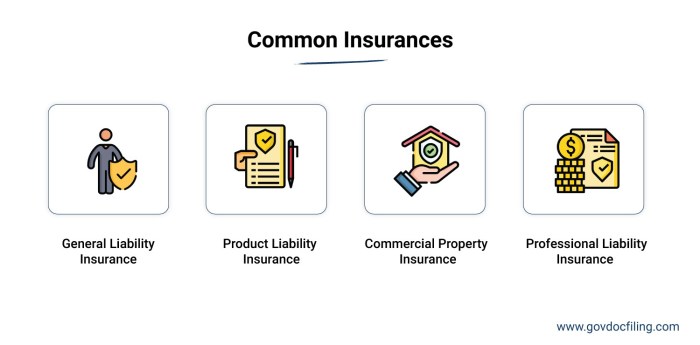
- General Liability Insurance: This type of insurance protects businesses from claims related to bodily injury, property damage, or advertising injury.
- Property Insurance: Property insurance covers damage to a company's physical assets, including buildings, equipment, and inventory, due to fire, theft, or other covered perils.
- Workers' Compensation Insurance: This insurance is mandatory for businesses with employees and covers medical expenses and lost wages for employees injured on the job.
- Professional Liability Insurance: Also known as Errors and Omissions insurance, this coverage protects businesses that provide professional services from claims of negligence or inadequate work.
Importance of Business Insurance
Business insurance is essential for safeguarding the financial stability of a company. In the event of a lawsuit, natural disaster, or other unexpected circumstances, having the right insurance coverage can prevent significant financial losses that could otherwise jeopardize the business's operations.
Real-Life Scenarios
One real-life scenario where business insurance proved crucial was during a fire that broke out in a small retail store. Thanks to property insurance, the business owner was able to recover the costs of damaged inventory and repair the store, enabling them to reopen and continue operations.
Without this insurance coverage, the business may have faced closure due to the financial burden of rebuilding.
Integrating Legal Protection with Business Insurance

Legal protection and business insurance are two essential components for safeguarding your business against unforeseen risks and liabilities. While legal protection helps you navigate legal challenges and disputes, business insurance provides financial coverage for various risks, such as property damage, liability claims, and employee injuries.
By integrating legal protection with business insurance, you can create a comprehensive risk management strategy that offers both legal support and financial security.
Advantages of Combining Legal Protection with Business Insurance
- Enhanced Protection: By combining legal protection and business insurance, you create a robust shield against potential risks, ensuring that your business is well-prepared to handle any legal or financial challenges that may arise.
- Cost-Effectiveness: Integrating legal protection with business insurance can be more cost-effective than purchasing these services separately. Bundling these protections may result in lower premiums and streamlined processes.
- Comprehensive Coverage: Legal protection and business insurance cover different aspects of risk management. By integrating them, you can address a wider range of potential threats and ensure comprehensive coverage for your business.
Step-by-Step Guide to Integrating Legal Protection with Business Insurance
- Assess Your Business Needs: Identify the specific legal risks and insurance requirements of your business to determine the type and level of coverage needed.
- Research Providers: Look for insurance companies and legal service providers that offer packages or discounts for integrating legal protection with business insurance.
- Review Policies Carefully: Thoroughly examine the terms and conditions of both your legal protection and business insurance policies to ensure they complement each other and provide adequate coverage.
- Consult Professionals: Seek advice from legal experts and insurance professionals to help you understand the intricacies of integrating legal protection with business insurance.
- Implement Risk Management Strategies: Develop risk management strategies that integrate legal protection and business insurance to proactively mitigate potential threats and liabilities.
Best Practices for Maximizing Coverage
When it comes to maximizing legal protection and business insurance coverage, there are several key strategies that can help ensure comprehensive protection for your business. By avoiding common pitfalls and following best practices, you can safeguard your business from potential risks and liabilities.
Here are some tips to help you make the most out of your legal protection and business insurance coverage.
Regularly Review and Update Policies
One of the best practices for maximizing coverage is to regularly review and update your legal protection and business insurance policies. As your business grows and evolves, your insurance needs may change. By staying up-to-date with your policies, you can ensure that you have adequate coverage for all aspects of your business.
Work with a Knowledgeable Insurance Agent
Another key strategy is to work with a knowledgeable insurance agent who understands the specific needs of your business. An experienced agent can help you navigate the complexities of legal protection and business insurance, ensuring that you have the right coverage in place.
Consider Bundling Policies
Bundling your legal protection and business insurance policies with the same provider can often lead to cost savings and streamlined coverage. By consolidating your policies, you can ensure that there are no coverage gaps and that you are getting the most value for your insurance premiums.
Invest in Cyber Liability Insurance
In today's digital age, cyber threats are a major concern for businesses of all sizes. Investing in cyber liability insurance can help protect your business from data breaches, cyber attacks, and other online risks. By adding this coverage to your existing policies, you can enhance your overall protection.
Train Employees on Risk Management
Employee training is essential for minimizing risks and liabilities within your business. By educating your employees on risk management practices and protocols, you can help prevent accidents, errors, and other incidents that could lead to legal issues. A well-trained team is an asset when it comes to maximizing coverage.
Final Review
In conclusion, the fusion of legal protection and business insurance emerges as a cornerstone of robust risk management practices. By understanding the synergies between these elements and implementing best practices, businesses can fortify their operations against unforeseen challenges and pave the way for sustainable growth and success.
FAQ Overview
How can legal protection benefit my business?
Legal protection can shield your business from lawsuits, contract disputes, and intellectual property infringements, safeguarding your assets and reputation.
What types of business insurance should I consider?
Depending on your industry and risk profile, you may need general liability insurance, property insurance, professional liability insurance, or cyber insurance to mitigate potential risks.
What are the advantages of integrating legal protection with business insurance?
By combining legal protection with business insurance, you create a comprehensive risk management strategy that addresses legal threats and financial liabilities, providing a robust shield against unforeseen circumstances.
How can I ensure comprehensive coverage for my business?
To maximize coverage, assess your risks, tailor insurance policies to your specific needs, review coverage regularly, and seek professional guidance to fill any gaps in your protection strategy.

