

Pet Insurance Explained: Benefits and Budget Tips sets the stage for this enthralling narrative, offering readers a glimpse into a story that is rich in detail and brimming with originality from the outset.
As we delve into the various aspects of pet insurance, you'll discover the advantages, coverage options, factors to consider, and budgeting tips that will help you make informed decisions regarding your pet's well-being.
Benefits of Pet Insurance
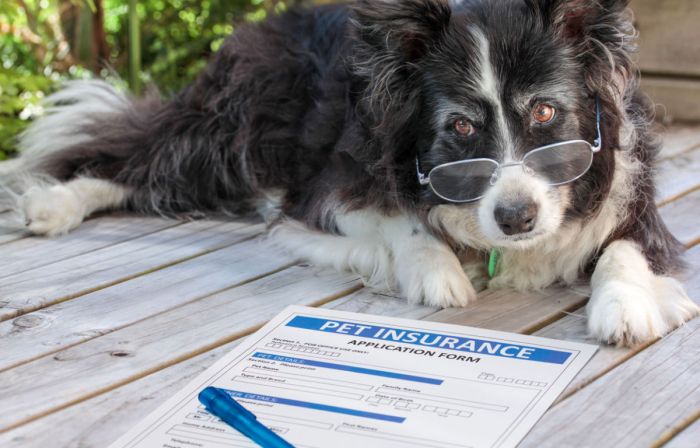
Having pet insurance can provide numerous benefits to pet owners, including financial security and peace of mind.
Cost Savings
- Pet insurance can help pet owners save money by covering a significant portion of veterinary bills, including routine check-ups, vaccinations, and emergency medical treatment.
- Compared to paying out of pocket for expensive procedures or treatments, pet insurance can make healthcare more affordable and accessible for pets.
Peace of Mind
- Knowing that their pet is covered by insurance can give pet owners peace of mind, allowing them to make medical decisions based on what is best for their pet rather than what they can afford.
- In times of unexpected emergencies or illnesses, pet insurance can alleviate the financial burden and allow pet owners to focus on their pet's well-being without the added stress of high veterinary costs.
Types of Pet Insurance Coverage
When it comes to pet insurance, there are various coverage options available to cater to different needs and budgets.
Accident-Only Coverage vs. Comprehensive Coverage
Accident-only coverage typically covers injuries resulting from accidents, such as broken bones or ingestion of foreign objects. On the other hand, comprehensive coverage includes both accidents and illnesses, providing a broader range of protection for your pet's health.
Wellness Plans vs. Standard Pet Insurance Coverage
Wellness plans focus on preventive care, including routine check-ups, vaccinations, and dental cleanings. These plans are separate from standard pet insurance coverage, which typically covers unexpected accidents and illnesses.
Common Exclusions in Pet Insurance Policies
Insurance policies often come with exclusions, which are specific situations or conditions not covered by the policy. Common exclusions in pet insurance policies may include pre-existing conditions, cosmetic procedures, and breeding-related issues.
Factors to Consider When Choosing Pet Insurance

When selecting a pet insurance plan, there are several key factors that pet owners should take into consideration to ensure they choose the best coverage for their furry friends.
Coverage Limits, Deductibles, and Reimbursement Percentages
Understanding the coverage limits, deductibles, and reimbursement percentages of a pet insurance plan is crucial. Coverage limits determine the maximum amount the insurance company will pay for your pet's medical expenses. Deductibles are the out-of-pocket expenses you must pay before the insurance coverage kicks in.
Reimbursement percentages indicate the percentage of the vet bill that the insurance company will reimburse after you have met the deductible.
Impact of Pre-existing Conditions
Pre-existing conditions can have a significant impact on pet insurance coverage. Most insurance providers do not cover pre-existing conditions, so it is essential to carefully review the policy to understand what is considered a pre-existing condition. Some insurers may offer coverage for pre-existing conditions, but it often comes with limitations or higher premiums.
Evaluating the Reputation and Financial Stability of Pet Insurance Providers
It is essential to choose a pet insurance provider with a solid reputation and financial stability. Research the company's history, customer reviews, and ratings to ensure they are reliable and trustworthy. A financially stable insurer will be able to honor claims and provide the necessary coverage for your pet's medical needs.
Budgeting Tips for Pet Insurance
When it comes to affording pet insurance premiums, budgeting effectively is key. Here are some strategies to help you manage the costs while still providing the best coverage for your furry friend.
1. Compare Different Plans and Providers
- Research and compare different pet insurance plans and providers to find the best option that fits your budget.
- Consider factors like coverage limits, deductibles, and premiums to make an informed decision.
- Look for discounts or special offers that can help you save money on your pet insurance policy.
2. Start a Pet Emergency Fund
- Set aside a portion of your budget each month to build a pet emergency fund that can help cover unexpected vet bills.
- Having a financial safety net in place can reduce the financial burden of high medical expenses for your pet.
3. Adjust Your Budget Priorities
- Review your current budget and identify areas where you can cut back on expenses to allocate more funds towards pet insurance.
- Consider reducing discretionary spending on non-essential items to prioritize your pet's healthcare needs.
- Reevaluate your budget regularly to ensure you are allocating enough funds for pet insurance premiums.
4. Invest in Preventative Care
- Investing in preventative care like regular check-ups, vaccinations, and dental cleanings can help maintain your pet's health and potentially reduce future medical costs.
- Preventative measures can help you avoid costly treatments for preventable conditions in the long run.
Last Recap
In conclusion, Pet Insurance Explained: Benefits and Budget Tips sheds light on the importance of safeguarding your furry friend's health while managing your finances effectively. With the right knowledge and preparation, you can provide your pet with the care they deserve without breaking the bank.
Questions and Answers
What are the benefits of having pet insurance?
Having pet insurance provides financial security in case of unexpected veterinary expenses, peace of mind knowing your pet's health is covered, and potential savings on medical costs.
What is the difference between accident-only coverage and comprehensive coverage?
Accident-only coverage typically covers injuries resulting from accidents only, while comprehensive coverage includes both accidents and illnesses in its coverage.
How do pre-existing conditions affect pet insurance coverage?
Pre-existing conditions are usually excluded from coverage in pet insurance policies, so it's essential to disclose any existing health issues when purchasing a policy.
How can pet owners save money on pet insurance?
Pet owners can save money by choosing higher deductibles, researching for discounts, and comparing different insurance providers to find the best value for their budget.

